

The War for Survival
Cosmos game Limited
My first impression of The War for Survival was that it wants to make survival feel like an ongoing strategic problem rather than a quick match that disappears after a few minutes. As a free strategy game from Cosmos game Limited, it puts its identity around conflict, planning, and the pressure of staying alive. I found that more appealing than a game that simply throws constant action at me, because the interesting moments come from deciding what deserves attention now and what can wait.
The game is aimed at players who enjoy thinking several moves ahead, checking progress regularly, and accepting that a good decision is not always the most immediately satisfying one. Its Teen content rating also suggests that it is better suited to older players than to very young children. I would recommend approaching it as a game for deliberate sessions, not as a guaranteed replacement for a fast arcade title or a purely relaxed puzzle game.
How the game feels when you start playing
The opening experience is important in a strategy game because the player needs to understand what matters before the pressure becomes distracting. In my experience, the best way to approach this one is to treat the early stage as a learning period. Instead of rushing every available action, I would first watch how the game presents its objectives, what it asks me to prioritize, and which decisions seem to affect later progress.
That approach also gives a better impression of speed. A strategy game can feel slow when it is actually giving the player useful time to make decisions, while a game can feel fast but shallow when everything happens automatically. Here, I prefer to judge progress by how much control I have over the situation rather than by how quickly screens change. The survival theme works best when I feel that preparation matters and that careless choices could make the next stage harder.
The store summary frames the experience as a war for survival and invites players to create their own legend. I would not take that as a promise of a specific play style. Instead, I read it as a signal that the game expects personal decision-making. Players who like experimenting with different priorities should find more to enjoy than people who want one obvious route from the beginning.
Related News






One practical tip is to avoid spending every early resource simply because it is available. In this kind of game, keeping a reserve is often more valuable than making a small improvement immediately. I found that a cautious rhythm makes the experience easier to understand: inspect the current objective, consider the next likely problem, then commit. That habit is more useful than tapping through every option as quickly as possible.
What makes its strategy different from simpler alternatives
Compared with a traditional casual strategy game, The War for Survival asks for more patience. A casual alternative may reward short bursts of activity with an obvious result, whereas this game’s appeal is tied to the larger survival picture. I would choose it when I want a sense of continuity and planning. I would choose a simpler alternative when I only have a few spare minutes and do not want to remember several competing priorities.
It also differs from a pure action game. Action-focused titles usually make reflexes the main test, but this experience is more suitable for someone who enjoys pausing mentally before committing to a move. That does not mean it lacks tension. The tension comes from uncertainty and trade-offs rather than from constant movement, which gives the game a different kind of energy.
Gallery
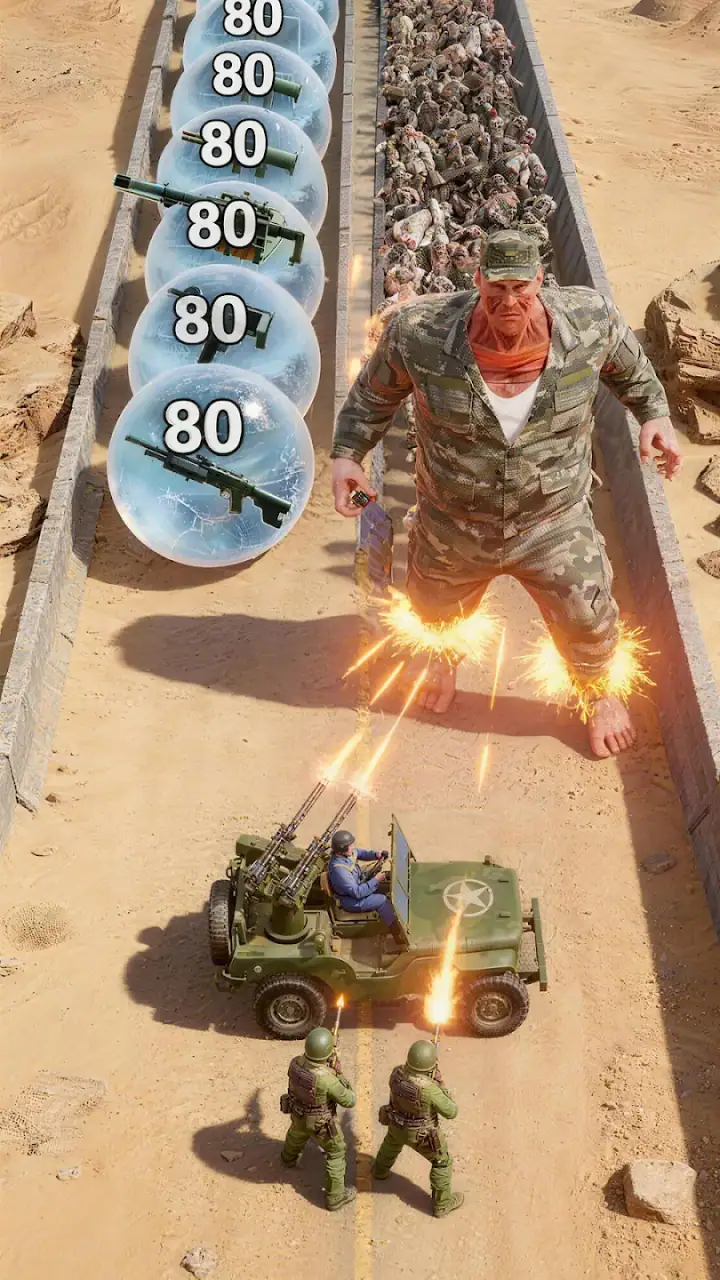
A useful way to play is to divide a session into three checks. First, I look at immediate survival needs. Second, I consider which improvement will help more than once. Third, I decide whether I am prepared to take a risk or should consolidate what I already have. This simple routine helps prevent a common mistake in strategy games: making several individually reasonable choices that work badly together.
Speed, heavy-use moments, and everyday play
My expectations for performance are moderate rather than extreme. The game is a strategy title, so its value does not depend entirely on rapid reactions. That gives it some flexibility for players who prefer a measured pace, but it also means that delays or interruptions can be especially annoying when they happen during a decision. A strategy game needs to let me understand what is happening before I decide, and then respond consistently after I act.
During heavier moments, I would pay attention to how much is happening on screen at once and whether the game remains comfortable during longer sessions. Large strategic situations naturally ask more from a device than a simple menu, particularly when several visual elements or actions are being processed together. I would not assume that every phone will feel identical. The safest approach is to begin with shorter sessions, keep other demanding apps closed, and see whether the device stays comfortable before committing to long play.
This is also where the game’s free entry point helps. I can try it without paying first and decide whether the pace suits me. The in-app purchase range runs from under a dollar to almost a hundred dollars per item, so I would be careful about treating optional purchases as part of the normal cost of playing. Anyone who dislikes spending pressure should set a personal limit before becoming invested in progress.
For an everyday scenario, imagine having a quiet break after work. I would open the game, review the current situation, make one or two deliberate decisions, and stop rather than forcing a long session. That style fits the strategic nature better than trying to rush through everything while distracted. If I were commuting or playing with an unreliable connection, I would be more cautious about starting an important sequence, because losing concentration can be more damaging here than in a game built around disposable rounds.
Another non-obvious trade-off is the difference between active attention and background progress. If the game allows a player to return to an ongoing situation, that can make it fit neatly into a daily routine, but it may also encourage checking too often. I recommend choosing fixed moments to play instead of repeatedly opening it whenever there is a spare second. That keeps the game from turning into a chore and makes each decision feel more intentional.
Stability and recovery after interruptions
Reliability matters more to me in a strategy game than flashy presentation. If an interruption occurs after I have made a meaningful decision, I want to feel confident that returning to the game will not leave me confused about what happened. My practical advice is to pause at natural stopping points and avoid closing the game in the middle of a complicated sequence whenever possible. That is a sensible habit for any strategy title, especially when the outcome of an action may not be immediately visible.
I would also avoid assuming that recovery is identical on every device. A phone with limited free storage, many background processes, or an older operating environment may handle a demanding session differently from a newer device. If the game takes longer to resume than expected, restarting the app and reducing other activity is a reasonable first step. I would not build a long-term strategy around leaving it open continuously.
The current version is 1.3.262, which is useful to know when checking whether a device is running the same build as other players. Keeping the installed version current is sensible because strategy games can become confusing when the interface or balance differs between builds. I would check the version before blaming my device for an unusual behavior, especially after an operating-system update.
Recovery also has a gameplay side. If I return after missing some time, I would not immediately spend everything or launch the riskiest available action. I would first inspect the state of the game, identify what changed, and rebuild a short-term plan. That habit protects progress even when I am returning after a distraction, a phone call, or an unexpectedly short session.
Device constraints and who should skip it
The minimum operating-system requirement is version 12, so players should check compatibility before expecting to install it. That requirement does not tell me exactly how the game will feel on every supported phone, but it does set a clear starting point. A compatible system is only the first step; available storage, memory, battery condition, and background activity can still affect comfort during play.
I would be especially careful on a phone that already struggles with several apps open at once. Strategy games may look less demanding than action games, but a busy interface and extended sessions can still expose weaknesses in an older or heavily loaded device. Lowering expectations is better than assuming that a supported operating system guarantees a perfectly smooth experience.
Battery use is another practical consideration. Even when the game is not built around rapid action, keeping a screen active for a long planning session can consume more battery than a short check-in. I would play with a reasonable charge, avoid starting a serious session when the phone is already low, and stop if the device becomes noticeably warm. That is not a criticism unique to this title; it is simply part of using a strategy game for extended periods on a mobile device.
The game is not the right choice for someone who wants a completely frictionless experience with no learning curve, no long-term planning, and no temptation to consider purchases. It may also disappoint players who need a highly competitive action game built around instant reactions. On the other hand, it is a better match for people who enjoy setting priorities, recovering from imperfect decisions, and watching a survival plan develop over time.
Value, purchases, and long-term motivation
Because the game is free, the main value question is not whether it costs anything to download but whether its ongoing structure respects the way I want to play. The listed purchases range from $0.99 to $99.99 per item. That is a wide spread, and it makes self-control important. I would never buy something simply because I felt behind after a difficult moment. I would first ask whether the purchase improves enjoyment or merely removes a temporary inconvenience.
A useful personal rule is to play long enough to understand the basic rhythm before spending. That lets me distinguish between a genuine feature I value and a shortcut I only want because I am impatient. Players who enjoy earning progress through planning may prefer to keep purchases out of the experience entirely. Players who are comfortable paying for convenience should still decide a budget in advance rather than making the decision under pressure.
Long-term motivation will depend on whether the survival decisions remain interesting after the first excitement fades. I look for variety in the problems a game presents, not just a larger number attached to progress. The strongest reason to continue here is the feeling that my choices shape the next situation. If that feeling weakens and the game becomes a routine of repeating the same actions, a different strategy title with more varied scenarios may be a better use of time.
The audience response is encouraging: the game has an average rating of 4.5 from around 1.8 thousand ratings, with over 500 thousand installs. I see those figures as a sign that it has attracted a meaningful audience, not as proof that every player will enjoy it. The Teen rating should also guide family decisions, particularly when choosing games for younger players.
My performance verdict after living with the game
My overall view is that The War for Survival works best when I play it as a thoughtful mobile strategy game rather than as a nonstop battle simulator. Its perceived speed is comfortable for planning, but that same measured pace may feel too restrained for players who want instant action. Heavy-use moments deserve sensible device management, and I would keep sessions controlled on phones with limited resources.
The most valuable habit is to plan around the next problem instead of reacting only to the current one. Preserve a reserve, stop at natural checkpoints, and review the situation after interruptions. Those choices improve both gameplay and reliability because they reduce the damage caused by rushed decisions or an inconvenient pause. They are small changes, but they make the game feel more manageable in everyday use.
I would recommend it to a friend who likes survival themes, strategic trade-offs, and games that reward returning with a plan. I would not recommend it to someone seeking a purely casual distraction, a reflex-driven contest, or a purchase-free environment with no optional spending pressure. The free download makes trying it straightforward, while the broad purchase range means I would approach monetization carefully.
Cosmos game Limited has built a game with a clear strategic identity, and the current version gives interested players a sensible point of entry on compatible devices. For me, the deciding question is simple: do you enjoy making a choice, waiting to see its consequences, and adjusting when the situation changes? If the answer is yes, this survival-focused strategy game is worth exploring. If you prefer immediate rewards and minimal commitment, there are better alternatives for your time.
FAQs for The War for Survival
What is The War for Survival about?
The War for Survival is a survival-focused game built around exploration, resource gathering, base development, and combat. Players must collect materials, craft useful equipment, strengthen their shelter, and make strategic decisions while facing hostile enemies and dangerous environments. Progress usually depends on balancing immediate survival needs with long-term improvements to your character, weapons, and camp.
Can I play The War for Survival offline?
Whether The War for Survival works offline may depend on the version and platform you install. Some survival features can potentially be accessed without a constant connection, but online functions such as account synchronization, events, advertisements, multiplayer elements, or server-based progress may require internet access. It is best to launch the game once while connected and check its requirements before relying on offline play.
Is The War for Survival free to download and play?
The War for Survival may be available as a free download, but users should expect optional in-app purchases or advertising, depending on the store version. Purchases can sometimes speed up construction, unlock resources, or provide additional advantages, while regular play may still allow gradual progress. Review the payment settings and parental controls before starting, especially if the device is shared.
What devices are compatible with The War for Survival?
Compatibility depends on the operating system, device model, available storage, and the minimum version required by the developer. Because survival games can include detailed environments, animations, and online features, older phones may experience longer loading times, reduced performance, or crashes. Check the official Google Play or App Store listing for the latest Android or iOS requirements before downloading.
Does The War for Survival include multiplayer or competitive features?
The War for Survival may include online systems such as player interaction, clans, cooperative activities, rankings, or competitive events, depending on the current release. These features can add variety but may also require a stable internet connection and an account. If multiplayer content is important to you, check the latest in-game description because available modes and events can change through updates.
Pros
- Tense survival gameplay rewards careful planning and resource management.
- Exploration offers varied locations and useful supplies to discover.
- Crafting systems provide meaningful ways to improve your survival chances.
- Short play sessions make it easy to play on mobile devices.
- The post-apocalyptic setting creates a strong sense of urgency.
Cons
- Progress can feel slow when essential resources become scarce.
- Some encounters may become repetitive after extended play.
- The interface can feel crowded on smaller phone screens.
- Difficulty spikes may frustrate players without careful preparation.
- Performance may vary on older Android and iOS devices.


